
ROAS Is Not a Profit Number
A paid ads agency manages your advertising spend across Google, Meta and LinkedIn so that every pound returns more than it costs. That sounds obvious, but a dashboard showing 4x ROAS can still describe a campaign that lost money. Platform attribution takes credit for customers who were going to buy anyway, ignores discounting and delivery costs, and treats a repeat buyer as a new acquisition. None of that is a scandal, it is just how the reporting is built.
So we start from your numbers: gross margin, contribution per order, lifetime value where you can evidence it, and the return you need to make the spend worth keeping. That breakeven becomes the target the campaigns are managed against, and it is the number on the report instead of a flattering platform metric.
Channels We Run
Google Search & Shopping
Search, Performance Max and Shopping for brands with real demand to capture. Query-level control where it matters, negative keyword discipline, feed work for e-commerce, and a clear view of what brand terms are really costing you.
Meta & TikTok
Demand creation for consumer brands, with creative as the main lever. Concepts tested against each other, hooks and formats iterated weekly, and spend scaled only when the incremental result supports it.
LinkedIn & B2B
Expensive clicks, so targeting has to be honest: account lists, job titles and company size built from your actual pipeline, with messaging matched to where a prospect is in the buying cycle.
Retargeting & Affiliate
The channels that clean up after the others, and the ones most likely to be double-counting revenue. We set them up with incrementality in mind so you can see what they genuinely add.
Before Spending Another Pound
Every account starts with the same five questions:
- What is the true breakeven, and does the current account clear it once margins and returns are counted?
- How much of the spend is buying customers you already had, and how much is new?
- Is tracking telling the truth — server-side where it needs to be, with platform and analytics numbers reconciled?
- Which campaigns are holding a market share you would keep anyway, and which are actually driving growth?
- What is the cheapest way to prove the next hypothesis — before scaling the budget on top of it?
On a typical audit this pass finds between ten and thirty per cent of spend doing very little. We would rather find and release that than ask for a bigger budget.
Creative and Testing
On most paid channels today, creative is the targeting. Media planning matters far less than whether the ad earns a stop, and a campaign with four ideas is not being tested, it is being guessed at. We run a weekly creative cadence: concepts written from customer language, produced at the volume the algorithm needs, and retired when they stop pulling their weight.
Testing is designed before it runs, with a stated hypothesis and a decision rule. That is the difference between learning something and moving budget around until a number looks nicer.
Reporting You Can Act On
One dashboard, reconciled with your finance numbers, showing spend, cost per acquisition, contribution and pipeline by channel. Alongside it, a short written summary: what we changed, what it did, and what we are doing next. Nothing on the report requires a media jargon translation layer.
Frequently Asked Questions
Common questions about paid ads management.
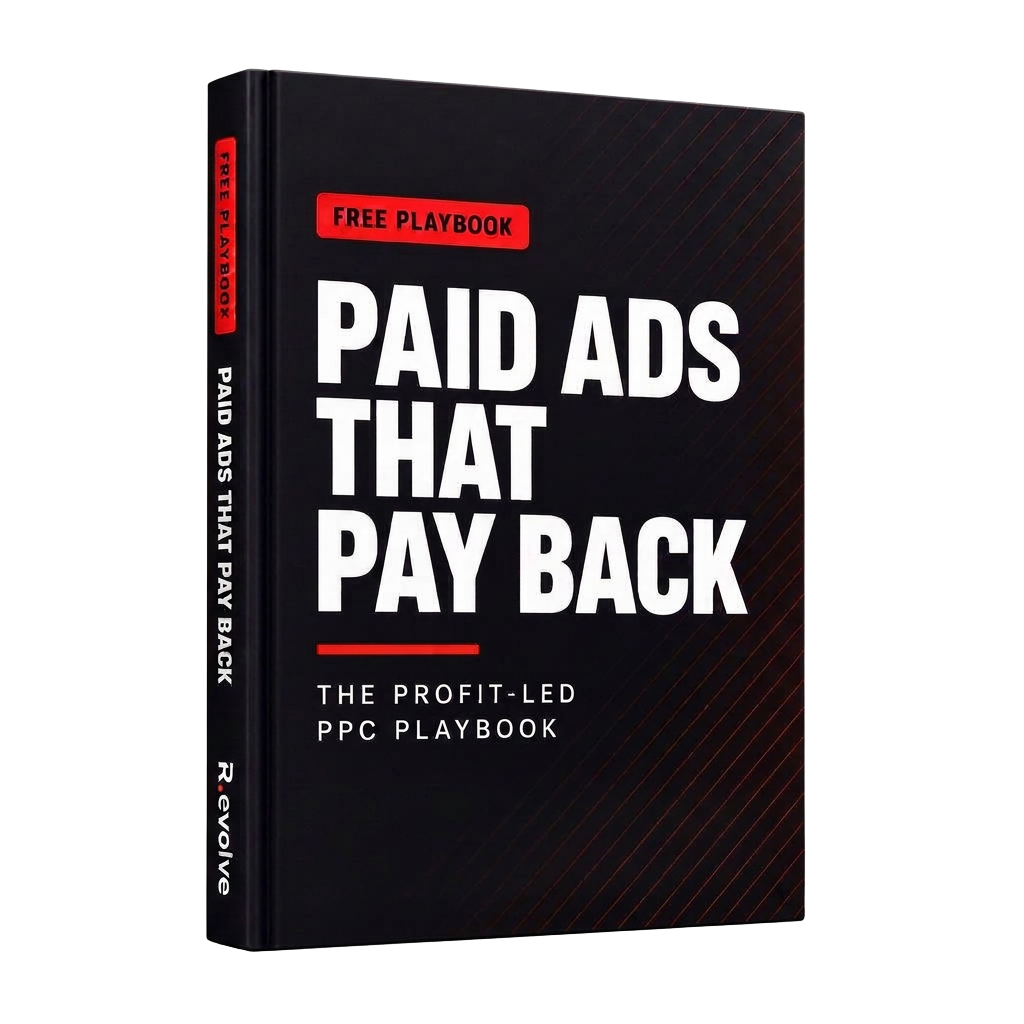
Free playbook
Paid Ads That Pay Back: The Profit-Led PPC Playbook
Move beyond vanity metrics like ROAS. This playbook shows you how to manage Meta, Google, and LinkedIn ads for genuine contribution margin and profit.